About
My journey.
My journey into analysis: how I went from a university graduate to leading a team at FIFA, and some of the highs and lows along the way.
Read the full story →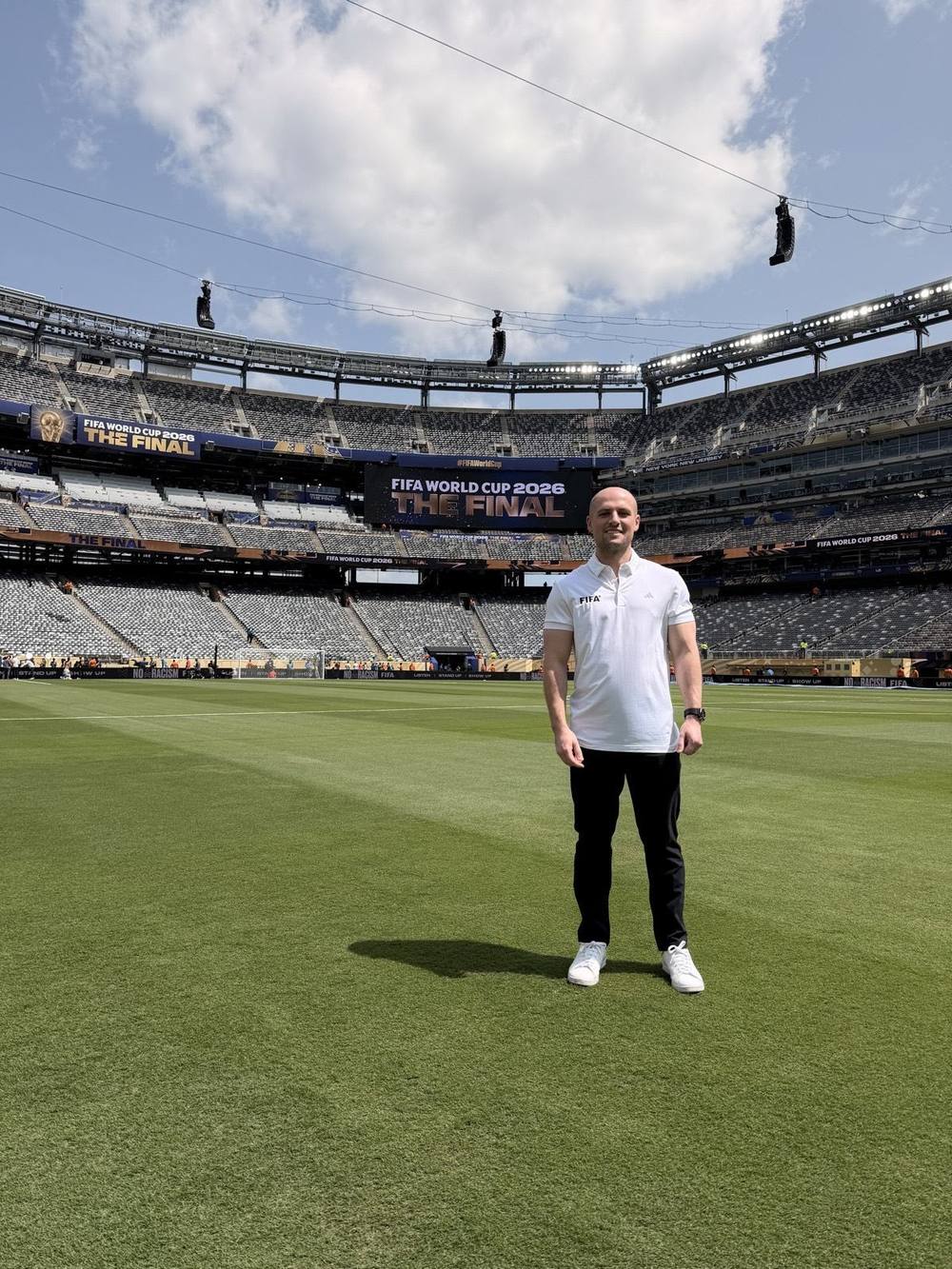
Start · Cardiff Met
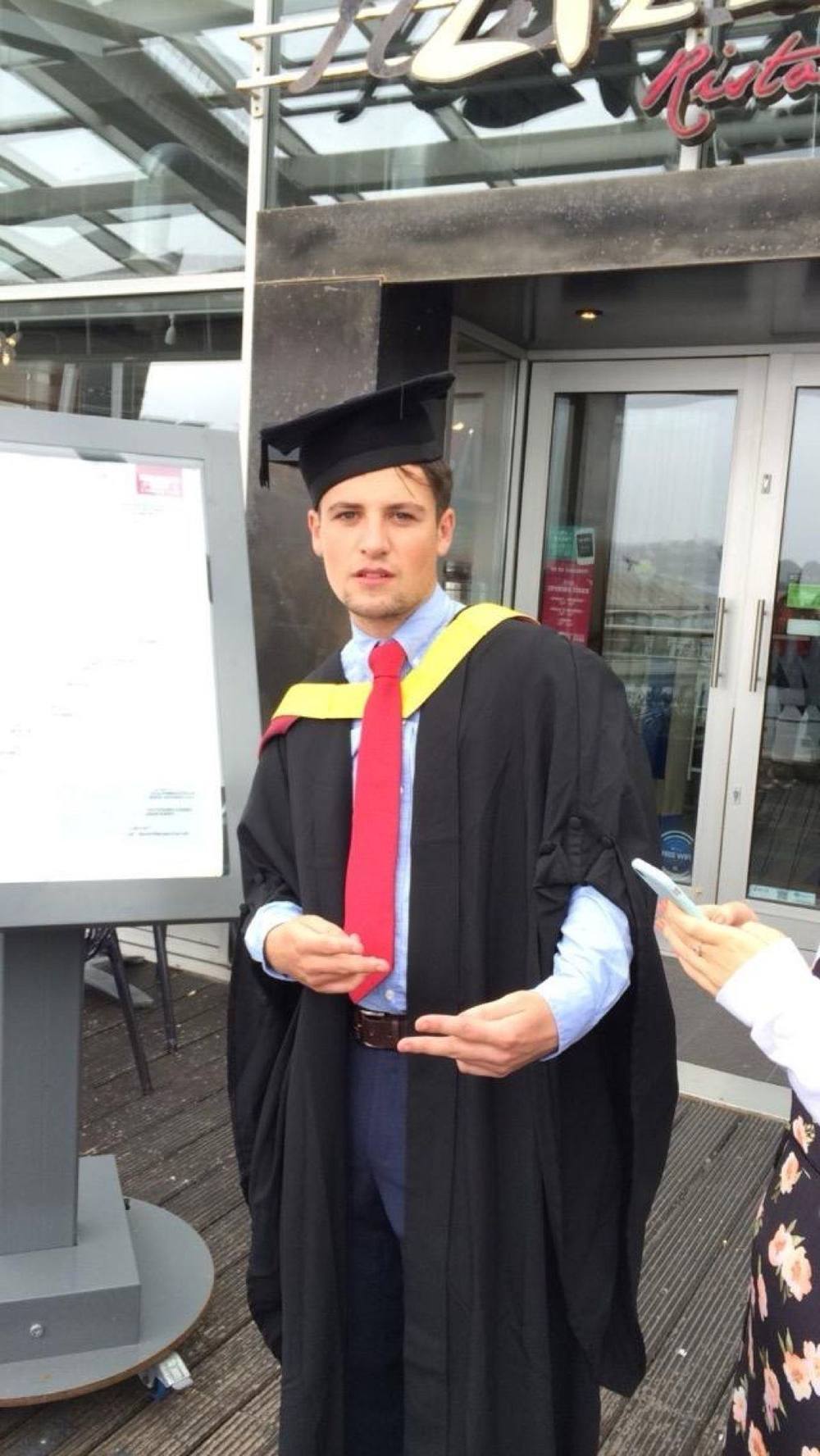
Starting at Cardiff Met
I started university without a clear idea of what I wanted to do. Going felt like the next step in life. I knew I wanted to work in sport, but I wasn’t sure what that looked like.
I began on a sports coaching degree and, by the end of my first year, knew it wasn’t for me. What I did enjoy was a module in performance analysis. At the end of that year I had the chance to switch degrees, as long as I passed a few straightforward exams, and I moved over to Sports Performance Analysis.
That’s where everything clicked. I was learning the fundamentals in theory and getting hands-on with the tools the industry uses, then sharpening those skills by supporting the university’s football teams every week.
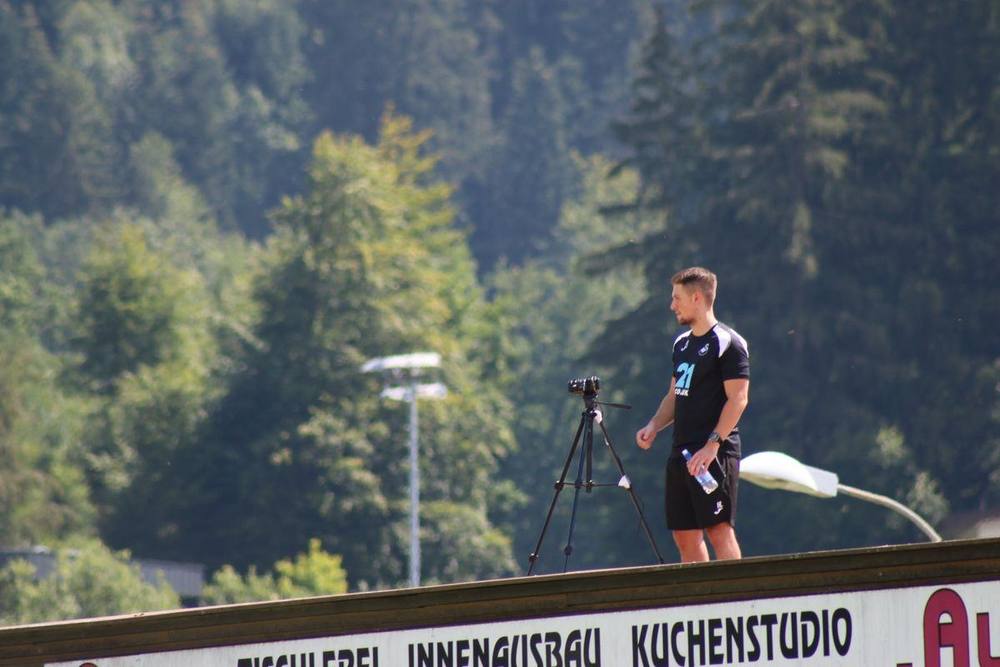
My team was the second team. I filmed, coded and clipped their home and away games, travelled with them to away fixtures, and reported what I found back to the coaches and players.
The breakthrough
The real breakthrough came in my final year, when I landed an internship at Swansea City. I worked it alongside writing my dissertation, and it turned into a full-time job. I drove from Cardiff to Swansea every day: early mornings, late nights, and not much of the usual student life.
I put everything into performing well and showing what I was capable of, learning all the time and always trying to improve. I grafted, and immersed myself in an elite performance environment.
2015 · Swansea City
Swansea City
Following the internship, I landed my first full-time role straight out of university. Hard work, commitment and some good timing put me in that position, and I was fortunate to go straight into a first-team, high-performance environment.
Day to day, the role covered most of what a football analyst does:
- Opposition analysis before matches, and post-match analysis after them
- Working closely with the goalkeeping department to develop the goalkeepers’ training, and filming training every day
- Travelling with the team to away games, filming and reporting back to the coaches at half-time with my perspective
- Filming, clipping and reporting to the coaches and the analysis team on match days
- Individual player analysis, prepared for players to look through as they built up to matches
- Preparing plays for players to walk through and remind themselves of on match days
- Setting up and organising the analysis system
All the while, it was building me as a person: developing my character and shaping who I am through those experiences.
Nine head coaches in four years
What helped me develop most was the number of head coaches I worked under: nine in my four years at the club, including Garry Monk, Paul Clement, Carlos Carvalhal and Graham Potter. It was a turbulent time, fighting relegation from the Premier League, which the club eventually suffered in 2018. But it exposed me to different ways of learning and training, developing knowledge, communicating and offering solutions.
Learning to offer a solution
Graham Potter, my last head coach at Swansea, changed how I saw the job. I would present him with detailed observations of what an opponent was doing. To me, that was valuable information. To him, it was another problem to fix.
What could we do about it?
He wanted the solution as well: how we would approach it and strategise against it. That question changed the work I was expected to bring. I had to connect the pattern I’d seen to a response the team could use, and be able to explain why I was proposing it. The analysis had to support a decision.
2019 · China
Taking the work to China
I wanted the next step in my career: a chance to lead and develop, and I felt those opportunities weren’t available at Swansea. Going to China was the logical next step, and I wanted to push myself.
Hebei China Fortune, Beijing
In Beijing I joined Hebei China Fortune as part of Chris Coleman’s coaching team, growing the analysis department, building workflows and putting complete analysis processes in place.
It was my first leadership role, and it came with real challenges. I was in a completely different country and didn’t speak the language. The culture was very different, and so was the football, including the methods behind it.
After six months, results weren’t good enough and the club decided to change the manager and coaches. I didn’t leave straight away: they asked me to stay on and support the academy, but that’s a story for another day. Eventually I left and returned to the UK.
The national team
I was then approached to join a group of coaches being formed to support the China national team’s under-18s in qualifying for the AFC U-19 Championship, as their lead analyst. I went back to China, based in Shanghai, and spent six months with the team and staff.
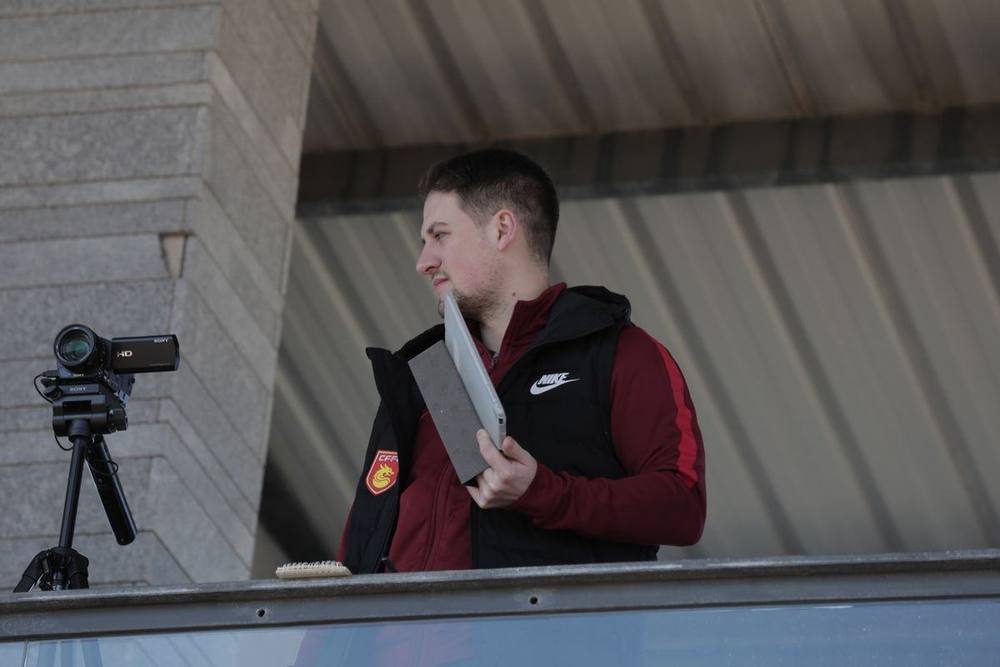
We worked through camp after camp: selection, recruitment, training, opposition analysis and post-match analysis. I was building an analysis process that didn’t really exist in the national team, trying to leave a legacy they could use and build on.
After that, the Federation asked the same group to support the senior team in qualifying for the 2022 World Cup in Qatar. Two or three months in, COVID-19 hit.
For a few months we searched for parts of the world that were still open, where we could hold camps, train and play. Eventually the world closed in around us and we had to come home. Everything shut down, and we were told we were no longer needed. That was the end of my China journey, and I was unemployed.
2020 · FIFA
A different purpose at FIFA
Building the team
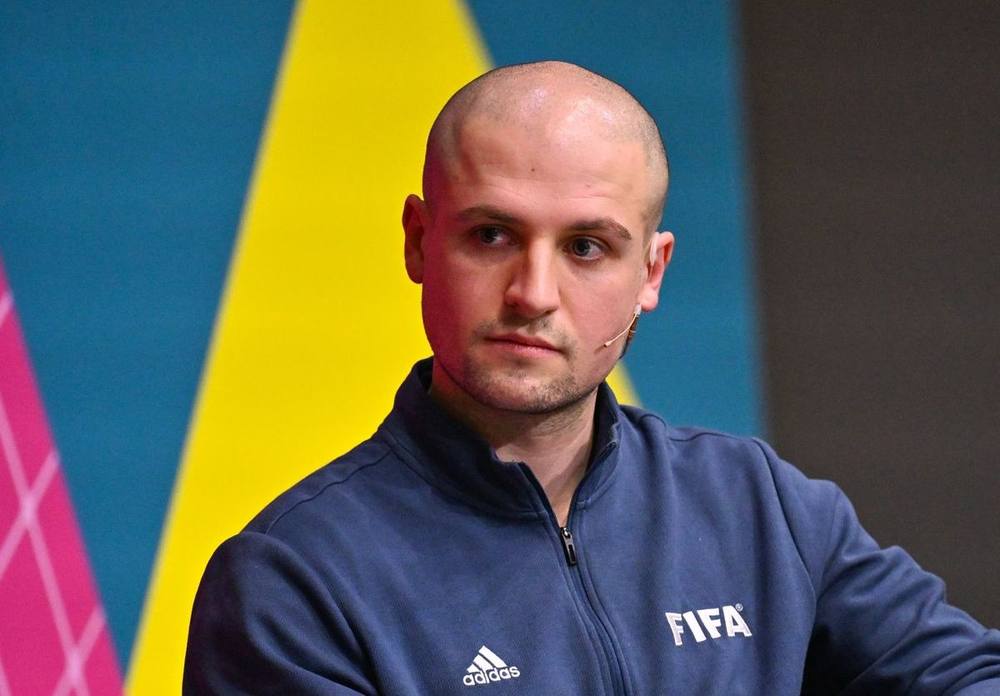
I joined FIFA in August 2020 as an assistant analyst. The department was launched by Arsène Wenger, with the idea of growing one of the best analysis teams in the world. At the start it was just me and my lead. It has since grown into a team of eight.
We built more than a team. We developed our own football language and our own data collection methods, and built a team designed to take in all of that information and analyse the trends of the game.
The team takes in the video and data available to us and works with elite-level coaches to help interpret and understand what we’re seeing. We present our findings through technical reports, live webinars, articles and presentations, and by working closely with member associations on the ground.
My responsibilities have grown alongside the department. I started by producing analysis myself. Since then I’ve led the analysis team, and today I co-lead a team of analysts. That brings another part of the job: helping other analysts turn their work into findings we can communicate clearly.
Analysing tournaments
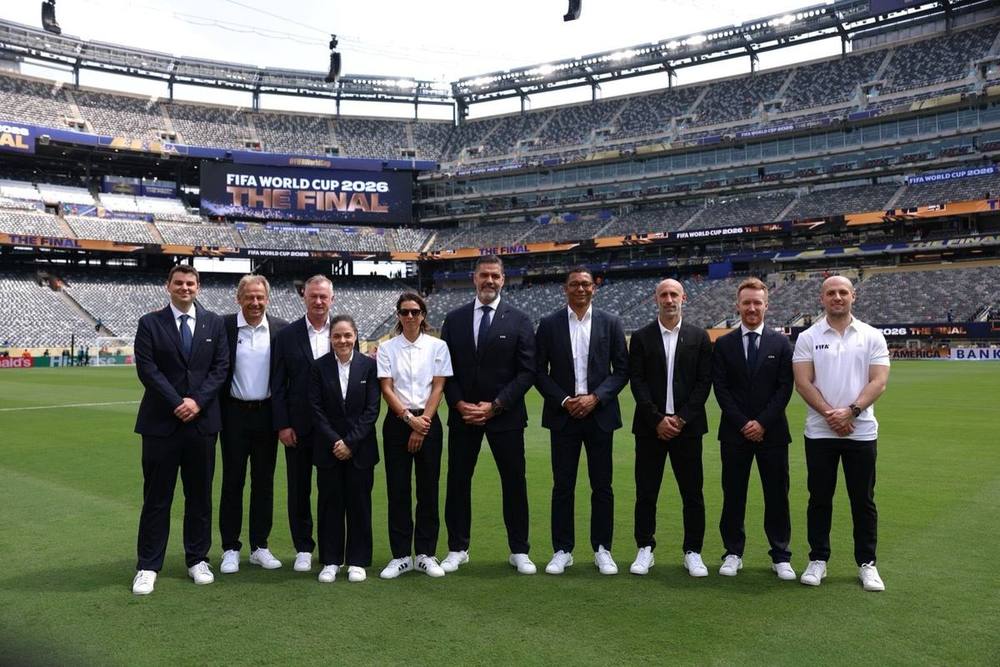
At tournaments, our analysis is designed to explain the global trends in the game and share them with a global audience.
We also support member associations in developing their own analysis processes, and give every team at a FIFA tournament resources and tools to level up their analysis, whatever their budget. Everything we do, we provide to all teams.
The work has covered men's and women's football, from youth competitions to senior World Cups. In summer 2026, I worked on the World Cup, and more recently on the under-20 women's tournament in Poland. Those are different competitions to study, with the same responsibility to make the analysis clear and useful to its audience.