The Debrief · Current trends
Inside our World Cup analysis report
The key tactical and technical themes of the World Cup, and the analysis and observations behind them.
By Harry Lowe · 4 min read
Read the article →
Introduction
Our FIFA World Cup 2026 post-tournament analysis report is now available through the FIFA Training Centre. FIFA announced its publication on 2 October 2026. The work brings together the Technical Study Group and Football Performance Insights team's analysis across all 104 matches, using video, data and football expertise. FIFA's publication announcement explains the report's scope.
Foreword
“Not simply to describe what happened, but to understand why it happened.”
In his foreword, Arsène sets out what the report is for. The Technical Study Group and Football Performance Insights team observed every match, combining the experience of football experts with technical analysis and data, to understand how the game is evolving and to share that with coaches, players and everyone involved in developing football. The full foreword opens the report.
For an aspiring analyst or coach, it is a resource you can study with a particular question in mind. You can explore the full report through the World Cup analysis page.
01
How the report was built
The report is the product of the whole tournament, not just the weeks after it. Throughout the World Cup, the Technical Study Group and the Football Performance Insights team observed every match, combining the experience of football experts with technical analysis and data.
- 01Observe every match
- 02Evidence it with video and data
- 03Discuss it with the Technical Study Group
- 04Patterns become report topics
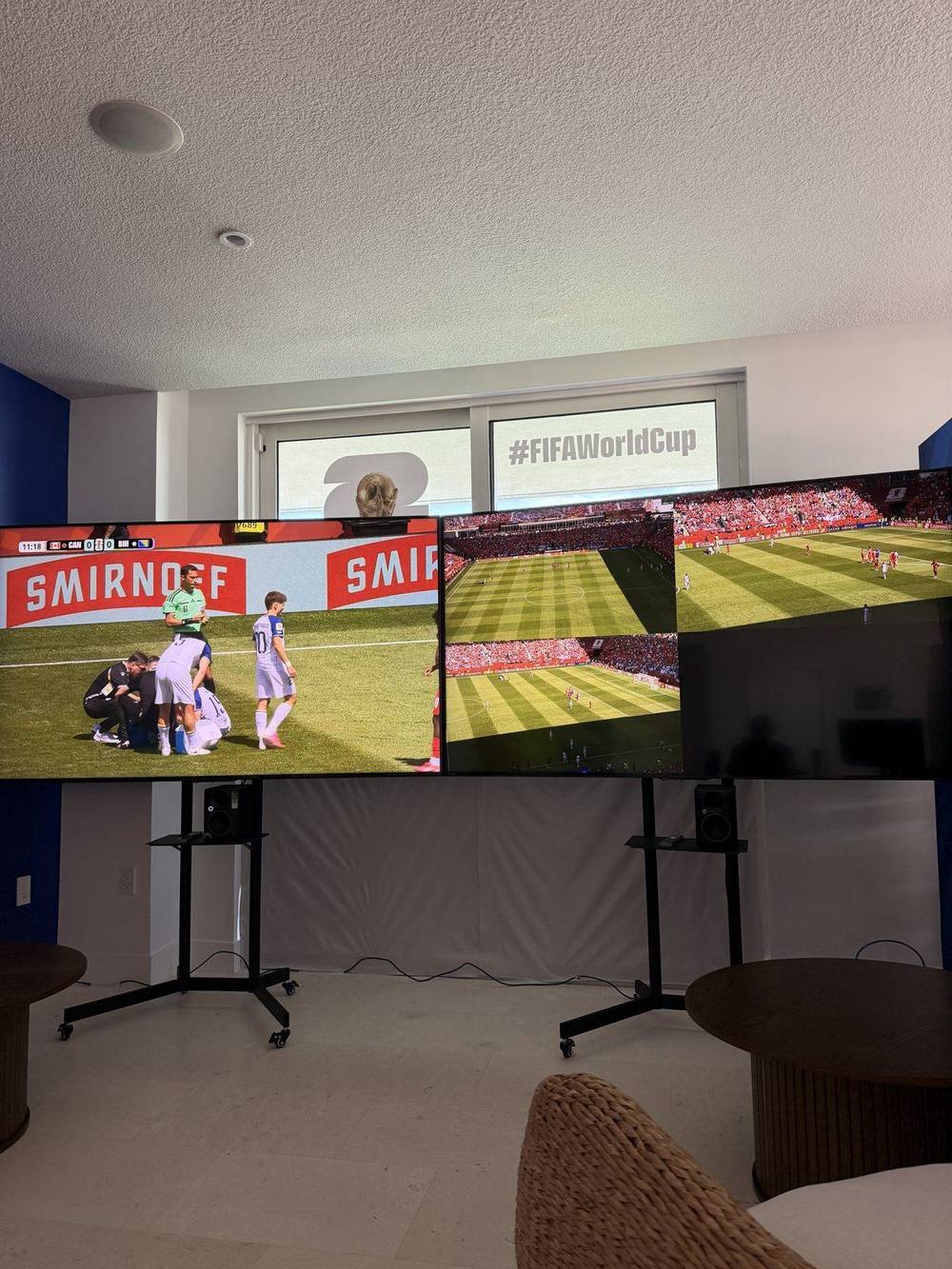
As analysts, each of us supported members of the Technical Study Group, watching games in the stadium or live from our performance suite, with access to video and live data. After the matches, we brought that evidence into discussions with the technical experts: what we were seeing, how teams were doing it and why it was working for them.
As the tournament went on, the themes that kept appearing across teams and matches became the topics of the report. Each one was evidenced with video and data and interpreted with the technical experts, so every explanation rests on both.
The finished report opens with tournament-wide findings, with comparisons to previous FIFA World Cups where they add context. It then moves through the technical and tactical topics, from how teams built and progressed possession to pressing, defensive organisation, transitions, set plays and the role of the goalkeeper. Each section pairs observations with video, data and technical insight, and the report is designed to be explored and returned to rather than read once.
02
Choose a question before you open it
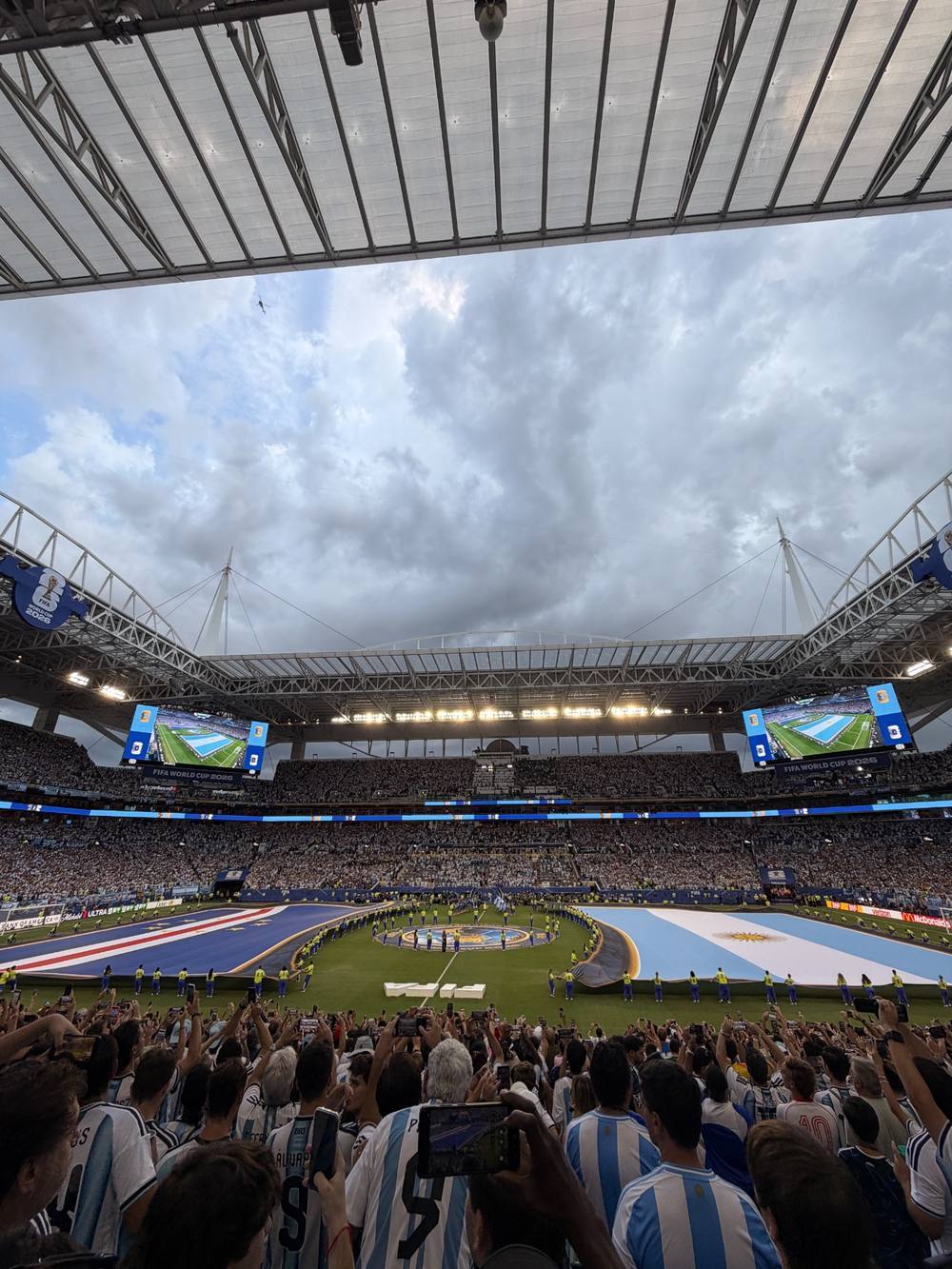
The report covers a wide range of the game. Its contents include building with a back three, wide-player rotations, pressing, the goalkeeper's role and attacking corners. Those headings give you ways into the analysis; you can begin with whichever topic relates to your own work or interests.
If you want to understand how a team gets beyond an opponent's first press, begin there. Keep that question beside you while you read. It will help you decide which details to pay attention to and which examples to return to.
03
Follow the explanation back to the pitch
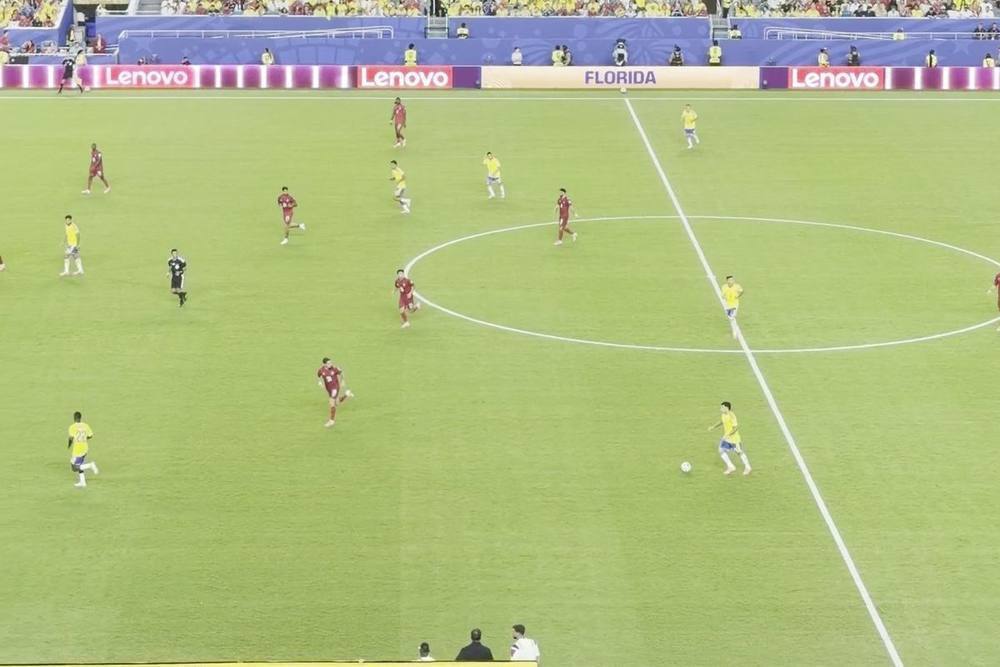
When you reach an example, identify the starting problem. Where is the ball? Which opponents can apply pressure? Where are the players who could receive?
Then follow the action that changes the situation. A player moving into another position may give the ball carrier a new option. Whether that option is useful depends on the surrounding players: who follows, who stays and who can close the next pass.
Pause at the start of the sequence, then again when the receiving option changes. Draw those two moments if it helps. Keep the direction of play clear, and include the opponents who affect the action. A diagram is easier to understand when it shows the problem the team is trying to solve.
You can then compare your explanation with the report's analysis. Look for the evidence supporting the point. If there is a chart, check what is being counted and which matches or teams it covers before using it in your own work.
04
Keep the conditions attached to the idea
An example from international football has its own context. The players, opponents and game situation all affect which solutions are available.
Suppose you are studying the goalkeeper's involvement in build-up. Ask what the goalkeeper's position adds to the team's options. Does an opponent go to press? Is another player available if that happens? Can the next receiver play forward, or does the opponent still control that space?
Those questions help you describe the conditions under which the idea works. They also help when you take the learning into another environment, where the technical ability or opposition behaviour may be different.
05
Test what you have learned
After studying one topic, look for it in another match. Start with a small, specific task: find a sequence where the goalkeeper helps the team progress beyond pressure, and one where the team cannot find that route.
Record the timestamps and explain the difference. You might find that the goalkeeper has a similar starting position in both, but the next passing option changes because a defender tracks a receiver. That gives you something precise to discuss.
Keep a short note of the question, the relevant report section and what you saw in your own examples. If your interpretation changes after watching more footage, update it. The evidence should be easy to return to.
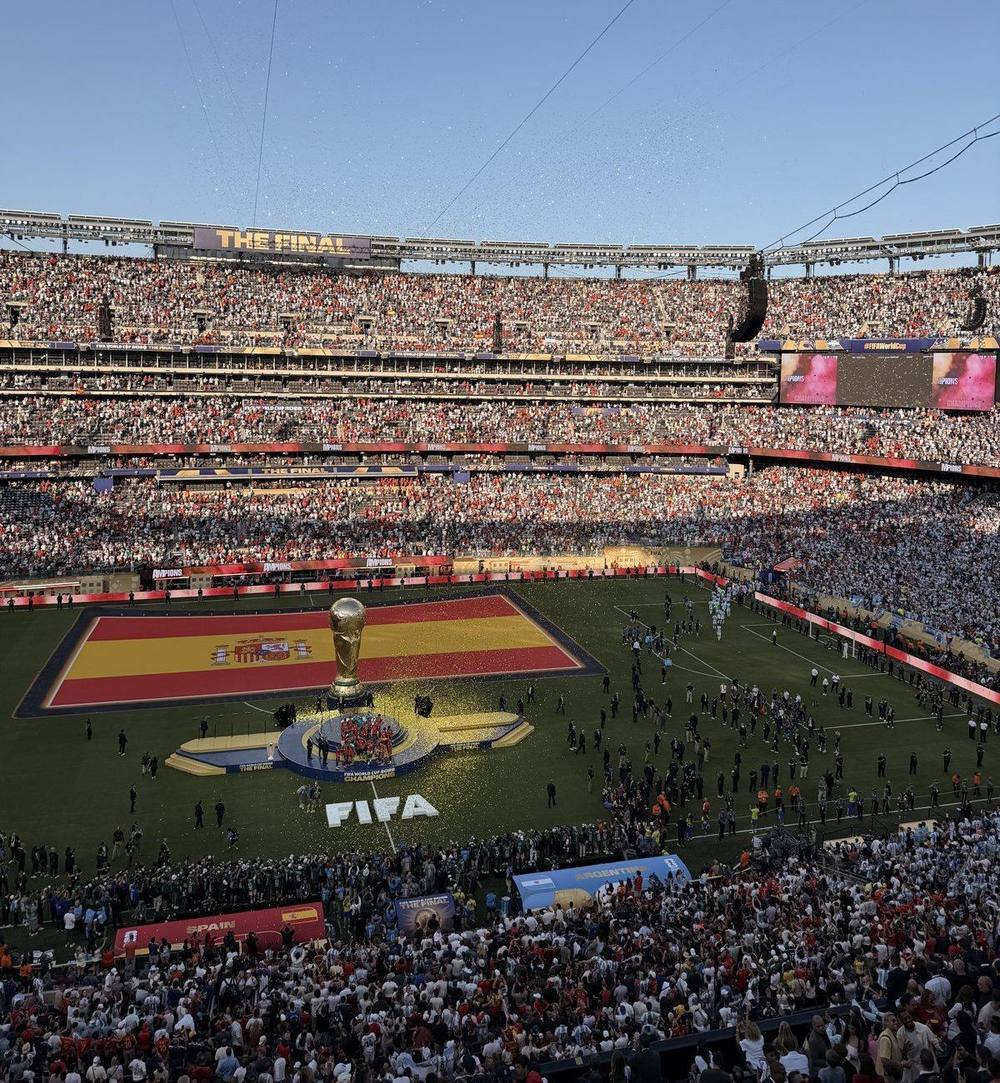
Open the full analysis hub, choose one topic and give yourself time to follow an example properly. A focused study of one section is a useful starting task.
The Debrief · Current trends
Inside our World Cup analysis report
The key tactical and technical themes of the World Cup, and the analysis and observations behind them.
By Harry Lowe · 4 min read
Read the article →Introduction
Our FIFA World Cup 2026 post-tournament analysis report is now available through the FIFA Training Centre. FIFA announced its publication on 2 October 2026. The work brings together the Technical Study Group and Football Performance Insights team's analysis across all 104 matches, using video, data and football expertise. FIFA's publication announcement explains the report's scope.
Foreword
“Not simply to describe what happened, but to understand why it happened.”
In his foreword, Arsène sets out what the report is for. The Technical Study Group and Football Performance Insights team observed every match, combining the experience of football experts with technical analysis and data, to understand how the game is evolving and to share that with coaches, players and everyone involved in developing football. The full foreword opens the report.
For an aspiring analyst or coach, it is a resource you can study with a particular question in mind. You can explore the full report through the World Cup analysis page.
01
How the report was built
The report is the product of the whole tournament, not just the weeks after it. Throughout the World Cup, the Technical Study Group and the Football Performance Insights team observed every match, combining the experience of football experts with technical analysis and data.
- 01Observe every match
- 02Evidence it with video and data
- 03Discuss it with the Technical Study Group
- 04Patterns become report topics
As analysts, each of us supported members of the Technical Study Group, watching games in the stadium or live from our performance suite, with access to video and live data. After the matches, we brought that evidence into discussions with the technical experts: what we were seeing, how teams were doing it and why it was working for them.
As the tournament went on, the themes that kept appearing across teams and matches became the topics of the report. Each one was evidenced with video and data and interpreted with the technical experts, so every explanation rests on both.
The finished report opens with tournament-wide findings, with comparisons to previous FIFA World Cups where they add context. It then moves through the technical and tactical topics, from how teams built and progressed possession to pressing, defensive organisation, transitions, set plays and the role of the goalkeeper. Each section pairs observations with video, data and technical insight, and the report is designed to be explored and returned to rather than read once.
02
Choose a question before you open it
The report covers a wide range of the game. Its contents include building with a back three, wide-player rotations, pressing, the goalkeeper's role and attacking corners. Those headings give you ways into the analysis; you can begin with whichever topic relates to your own work or interests.
If you want to understand how a team gets beyond an opponent's first press, begin there. Keep that question beside you while you read. It will help you decide which details to pay attention to and which examples to return to.
03
Follow the explanation back to the pitch
When you reach an example, identify the starting problem. Where is the ball? Which opponents can apply pressure? Where are the players who could receive?
Then follow the action that changes the situation. A player moving into another position may give the ball carrier a new option. Whether that option is useful depends on the surrounding players: who follows, who stays and who can close the next pass.
Pause at the start of the sequence, then again when the receiving option changes. Draw those two moments if it helps. Keep the direction of play clear, and include the opponents who affect the action. A diagram is easier to understand when it shows the problem the team is trying to solve.
You can then compare your explanation with the report's analysis. Look for the evidence supporting the point. If there is a chart, check what is being counted and which matches or teams it covers before using it in your own work.
04
Keep the conditions attached to the idea
An example from international football has its own context. The players, opponents and game situation all affect which solutions are available.
Suppose you are studying the goalkeeper's involvement in build-up. Ask what the goalkeeper's position adds to the team's options. Does an opponent go to press? Is another player available if that happens? Can the next receiver play forward, or does the opponent still control that space?
Those questions help you describe the conditions under which the idea works. They also help when you take the learning into another environment, where the technical ability or opposition behaviour may be different.
05
Test what you have learned
After studying one topic, look for it in another match. Start with a small, specific task: find a sequence where the goalkeeper helps the team progress beyond pressure, and one where the team cannot find that route.
Record the timestamps and explain the difference. You might find that the goalkeeper has a similar starting position in both, but the next passing option changes because a defender tracks a receiver. That gives you something precise to discuss.
Keep a short note of the question, the relevant report section and what you saw in your own examples. If your interpretation changes after watching more footage, update it. The evidence should be easy to return to.
Open the full analysis hub, choose one topic and give yourself time to follow an example properly. A focused study of one section is a useful starting task.