The Debrief · The work
What an analyst does at a tournament
Understanding the tactical strategies and trends of a tournament, across multiple teams and matches.
By Harry Lowe · 5 min read
Read the article →
Introduction
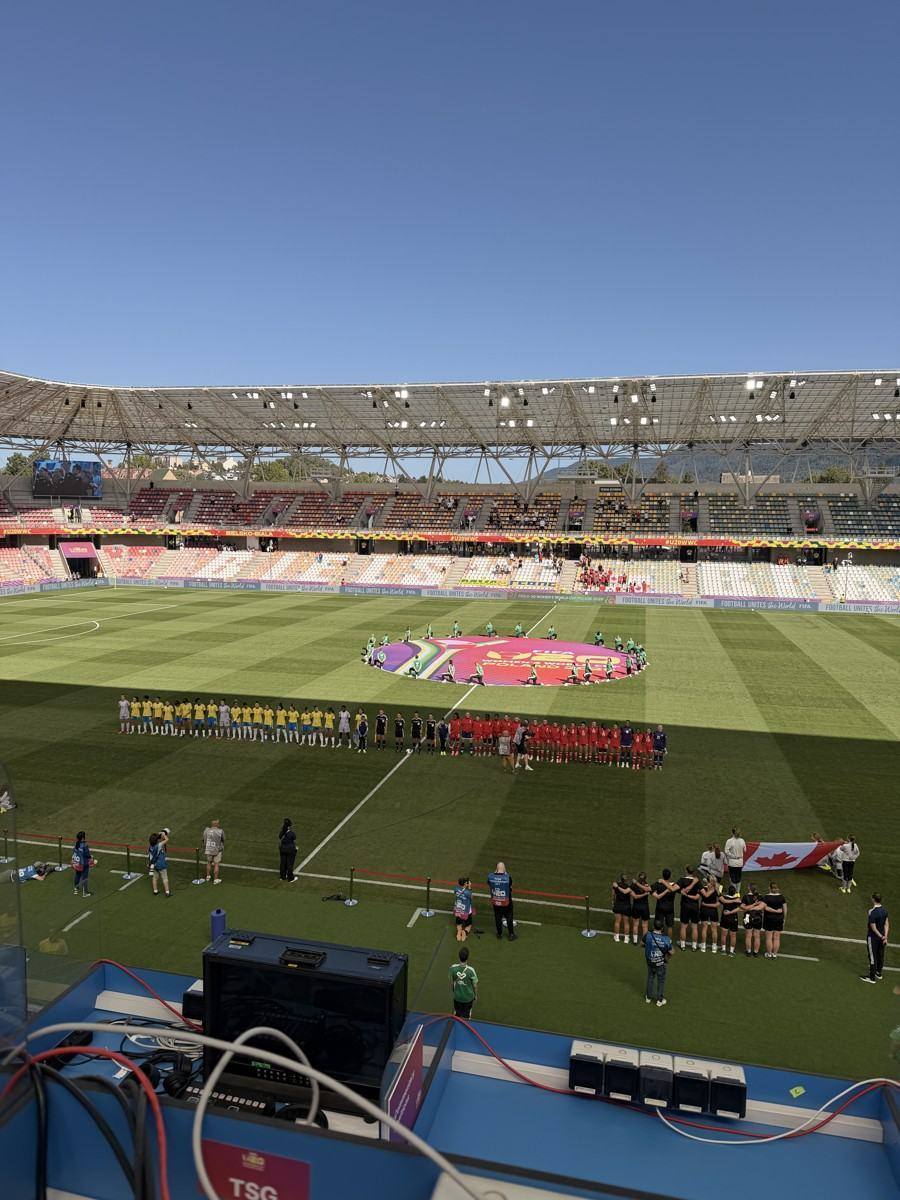
I recently worked at the FIFA U-20 Women's World Cup in Poland. The competition ran from 5 to 27 September 2026, with 24 teams taking part.
At a tournament, our analysis looks across the competition. We work with the Technical Study Group to understand how teams are playing, which ideas are appearing and what we can learn from them.
That gives the work a different purpose from preparing an opposition report for one club. You are following team performances while also building an understanding of the tournament as a whole.
01
Start with the game
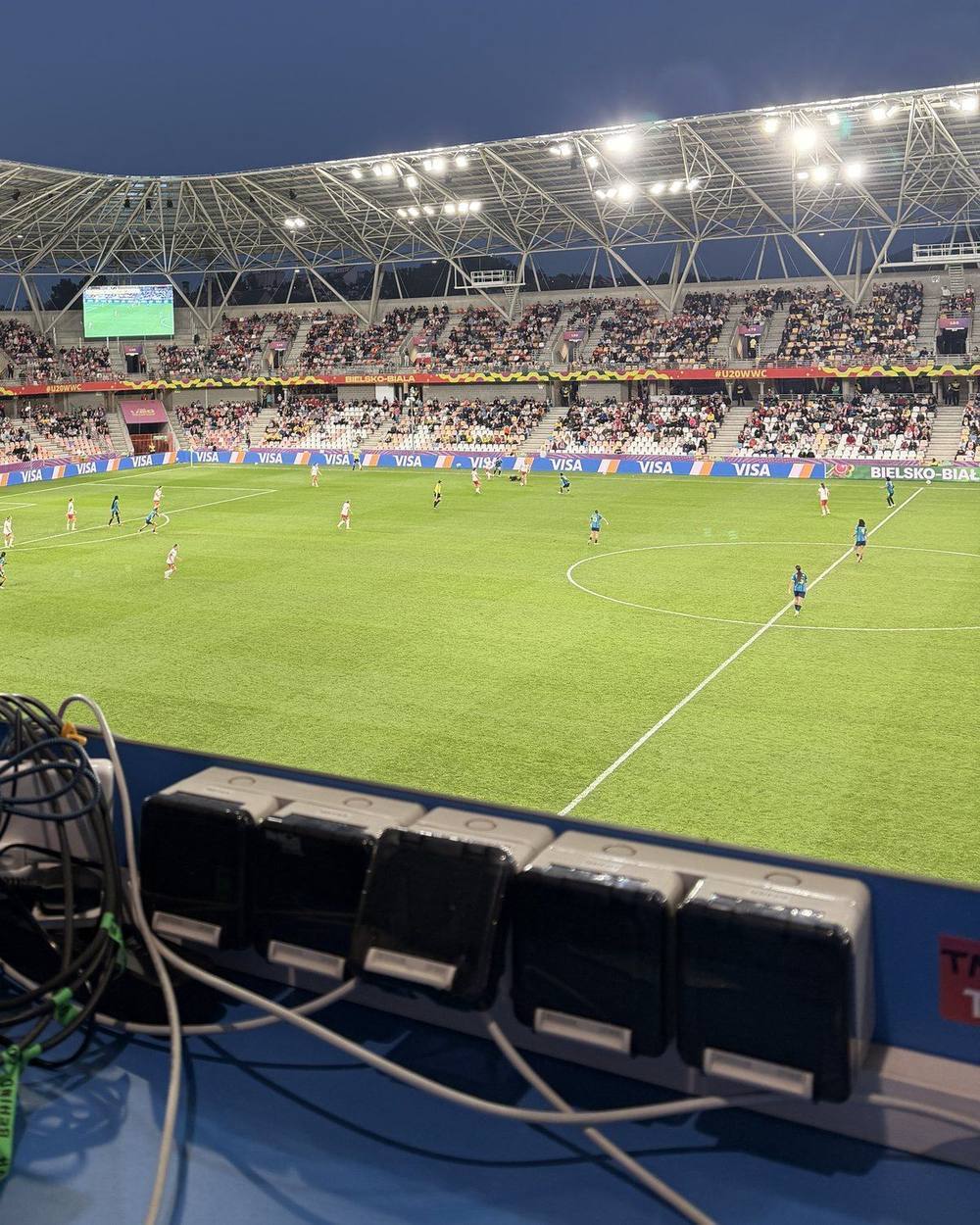
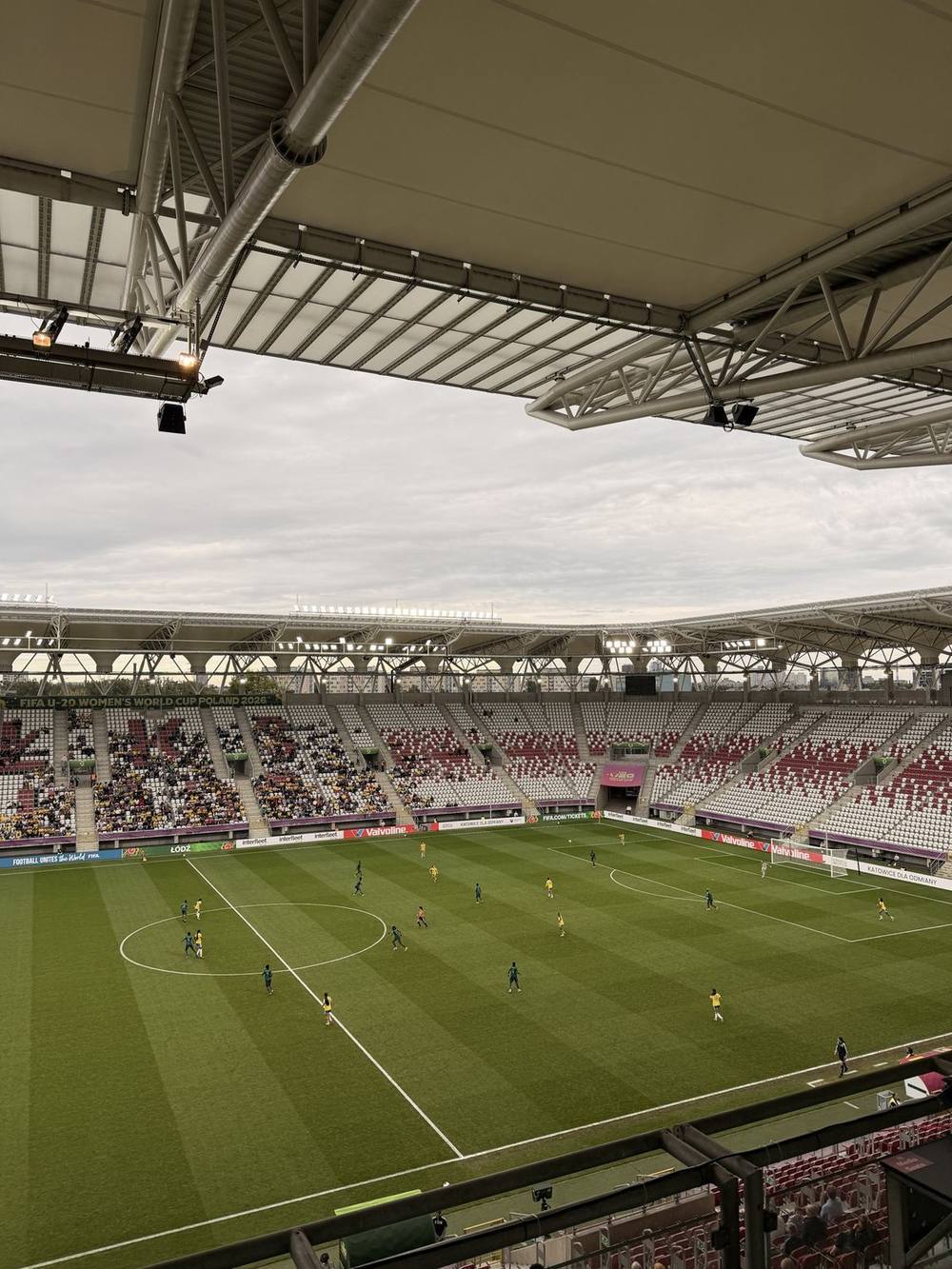
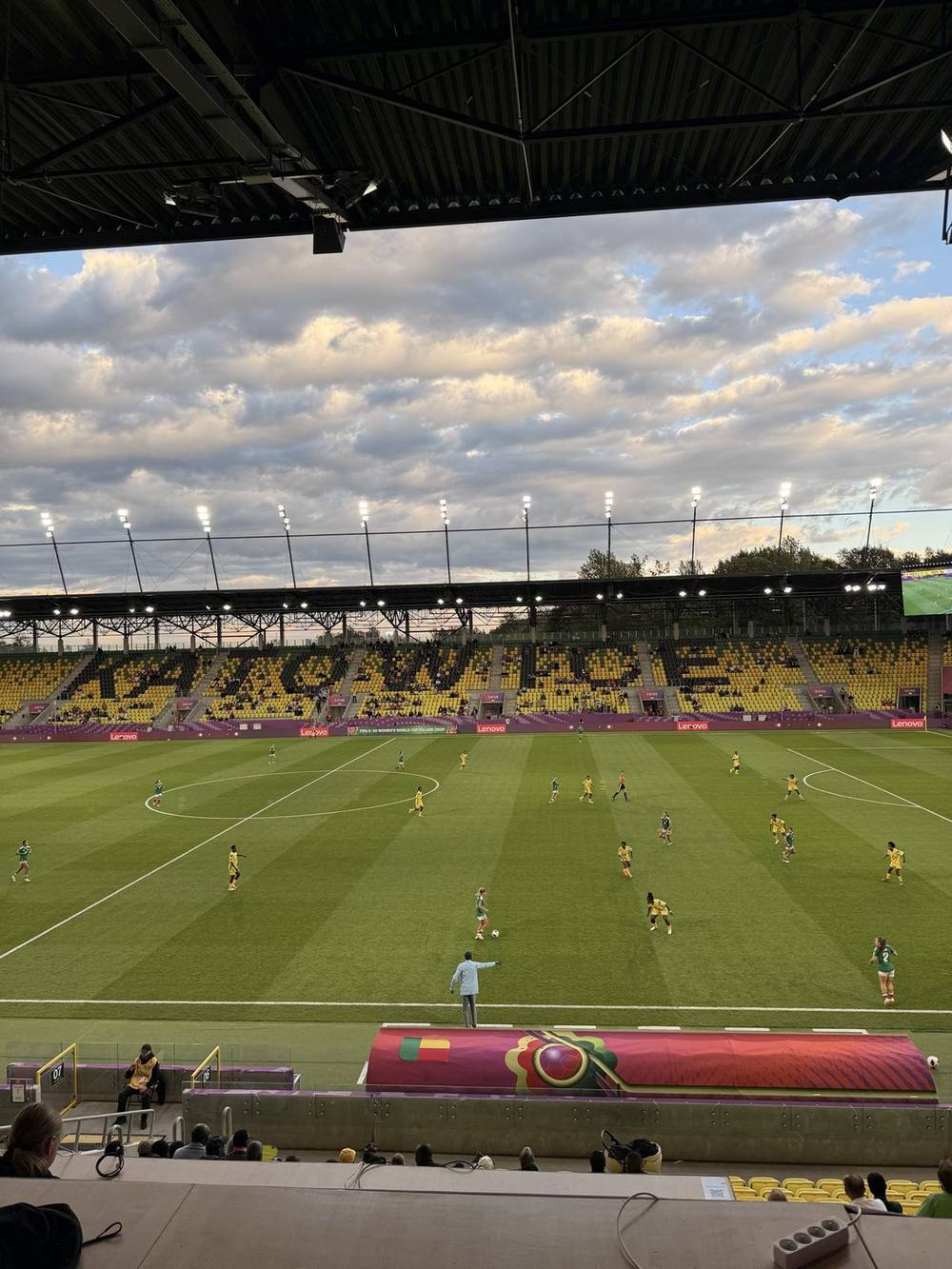
At a tournament, we observe every single match. Each of us supports at least one member of the Technical Study Group in analysing the key strategies on display from both teams. We watch every game, either in the stadium or live from our performance suite, with access to video and live data.
The idea is to understand the key themes on show, then look at them in more detail by explaining how and why these strategies occur. We evidence them with video and with data, and we work with our technical experts, who bring their observations to life and give us the tactical and technical understanding they possess so well, to help explain what the teams are doing.
An observation gives us a question to investigate. A team might repeatedly find a player between the opposition's midfield and defence. We would want to understand how the space became available, how the player got there and what the reception allowed the team to do next.
That is a general example of the kind of question an analyst can ask, rather than a finding I am claiming from Poland. The explanation needs to come from the actual sequence.
Video lets you follow the actions around the ball. Data can help you investigate whether something appears repeatedly, how it varies between teams and how it compares with other competitions. Each has limits. A camera may miss a movement; a number needs a definition before you know what it measures.
02
Bring the evidence into the discussion
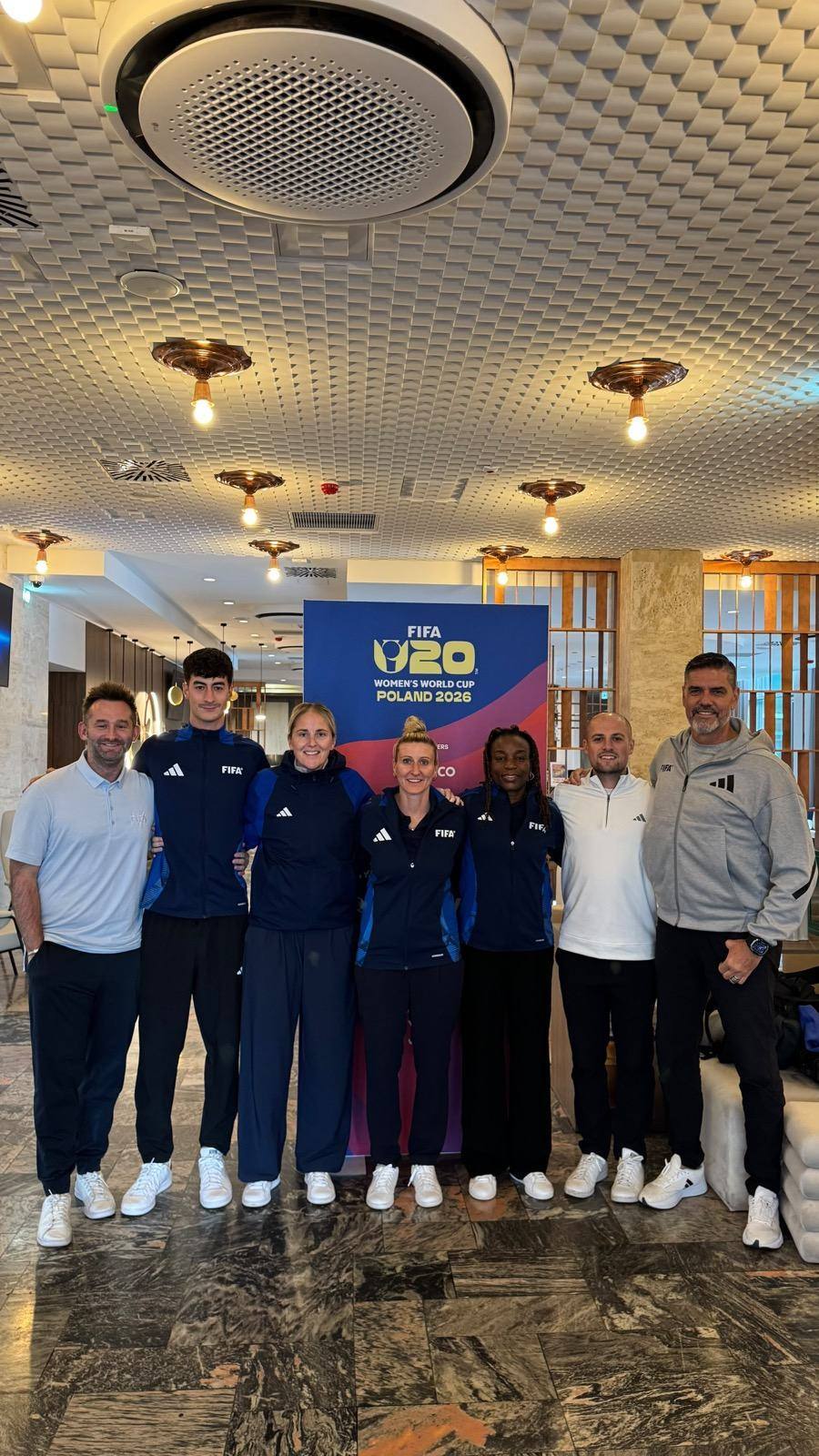
After the matches, the work comes together in our meetings with the Technical Study Group. Their football experience contributes to the questions we investigate and the way we interpret the evidence.
The analyst's job includes finding the relevant examples and making the explanation clear enough to discuss. If the proposed explanation is that a team's movement created a passing route, the clips need to show that movement and the defenders' response.
It is not only evidence through video. We bring the theme to life through the data too, then discuss it with the technical expert to understand what makes it prominent. What is it about the theme that makes it work for the team, and how does it link to their success, whether that is winning the game or progressing through the tournament?
There can also be another explanation worth checking. Was the space available because a defender followed a runner, because the team was recovering from losing possession, or because the defensive unit was already stretched? Those possibilities change the finding.
03
Look beyond one example
A single sequence can be useful for explaining an idea. A tournament theme needs more than that.
As the matches go on, we accumulate all the different themes we are observing. When we spot patterns across the matches and across the themes, that is when we start to build the topics for our technical report.
We then continue to work with the Technical Study Group to understand why we are seeing these patterns, and what is special about how certain teams execute them. Is a pattern prominent across the tournament, or is it being executed well by the most successful teams?
You need to look for repetition and for the situations where the idea did not work. Consider the opponent, score and phase of the game. If a pattern mainly appears when a team is chasing a goal, that context belongs in the explanation.
The aim is for those patterns to tell the story of the tournament, and to show good examples of how they can be executed well, tactically and technically.
04
Try the process on a smaller scale
You can practise this without having access to an entire tournament's data. It works across multiple games, at any level and in any competition.
Target one particular theme and look for the pattern. Focus on being able to identify it, then explain what is happening, how it happens and why it happens. That is the framework in What? How? Why?.
For example, compare one team's defensive behaviour across two games. Does it try to apply pressure in similar areas, or do its starting positions change? Keep the score and opponent beside the examples so you can consider the context.
Prepare a short comparison and discuss it with another analyst. Ask which examples support your interpretation and which raise another question. If they see a different explanation, return to the footage together before changing the finding.
Record what the discussion changed: perhaps you need another example, a clearer definition or a more limited conclusion. Use the observation log, a blank template where you state the theme you are observing and record your ideas under What, How and Why. When the work is ready, you can submit it for review in The Portal.
The Debrief · The work
What an analyst does at a tournament
Understanding the tactical strategies and trends of a tournament, across multiple teams and matches.
By Harry Lowe · 5 min read
Read the article →Introduction
I recently worked at the FIFA U-20 Women's World Cup in Poland. The competition ran from 5 to 27 September 2026, with 24 teams taking part.
At a tournament, our analysis looks across the competition. We work with the Technical Study Group to understand how teams are playing, which ideas are appearing and what we can learn from them.
That gives the work a different purpose from preparing an opposition report for one club. You are following team performances while also building an understanding of the tournament as a whole.
01
Start with the game
At a tournament, we observe every single match. Each of us supports at least one member of the Technical Study Group in analysing the key strategies on display from both teams. We watch every game, either in the stadium or live from our performance suite, with access to video and live data.
The idea is to understand the key themes on show, then look at them in more detail by explaining how and why these strategies occur. We evidence them with video and with data, and we work with our technical experts, who bring their observations to life and give us the tactical and technical understanding they possess so well, to help explain what the teams are doing.
An observation gives us a question to investigate. A team might repeatedly find a player between the opposition's midfield and defence. We would want to understand how the space became available, how the player got there and what the reception allowed the team to do next.
That is a general example of the kind of question an analyst can ask, rather than a finding I am claiming from Poland. The explanation needs to come from the actual sequence.
Video lets you follow the actions around the ball. Data can help you investigate whether something appears repeatedly, how it varies between teams and how it compares with other competitions. Each has limits. A camera may miss a movement; a number needs a definition before you know what it measures.
02
Bring the evidence into the discussion
After the matches, the work comes together in our meetings with the Technical Study Group. Their football experience contributes to the questions we investigate and the way we interpret the evidence.
The analyst's job includes finding the relevant examples and making the explanation clear enough to discuss. If the proposed explanation is that a team's movement created a passing route, the clips need to show that movement and the defenders' response.
It is not only evidence through video. We bring the theme to life through the data too, then discuss it with the technical expert to understand what makes it prominent. What is it about the theme that makes it work for the team, and how does it link to their success, whether that is winning the game or progressing through the tournament?
There can also be another explanation worth checking. Was the space available because a defender followed a runner, because the team was recovering from losing possession, or because the defensive unit was already stretched? Those possibilities change the finding.
03
Look beyond one example
A single sequence can be useful for explaining an idea. A tournament theme needs more than that.
As the matches go on, we accumulate all the different themes we are observing. When we spot patterns across the matches and across the themes, that is when we start to build the topics for our technical report.
We then continue to work with the Technical Study Group to understand why we are seeing these patterns, and what is special about how certain teams execute them. Is a pattern prominent across the tournament, or is it being executed well by the most successful teams?
You need to look for repetition and for the situations where the idea did not work. Consider the opponent, score and phase of the game. If a pattern mainly appears when a team is chasing a goal, that context belongs in the explanation.
The aim is for those patterns to tell the story of the tournament, and to show good examples of how they can be executed well, tactically and technically.
04
Try the process on a smaller scale
You can practise this without having access to an entire tournament's data. It works across multiple games, at any level and in any competition.
Target one particular theme and look for the pattern. Focus on being able to identify it, then explain what is happening, how it happens and why it happens. That is the framework in What? How? Why?.
For example, compare one team's defensive behaviour across two games. Does it try to apply pressure in similar areas, or do its starting positions change? Keep the score and opponent beside the examples so you can consider the context.
Prepare a short comparison and discuss it with another analyst. Ask which examples support your interpretation and which raise another question. If they see a different explanation, return to the footage together before changing the finding.
Record what the discussion changed: perhaps you need another example, a clearer definition or a more limited conclusion. Use the observation log, a blank template where you state the theme you are observing and record your ideas under What, How and Why. When the work is ready, you can submit it for review in The Portal.