The Debrief · The work
Working at a 104-match World Cup
Video, data and football knowledge contribute to the same explanation.
By Harry Lowe · 3 min read
Read the article →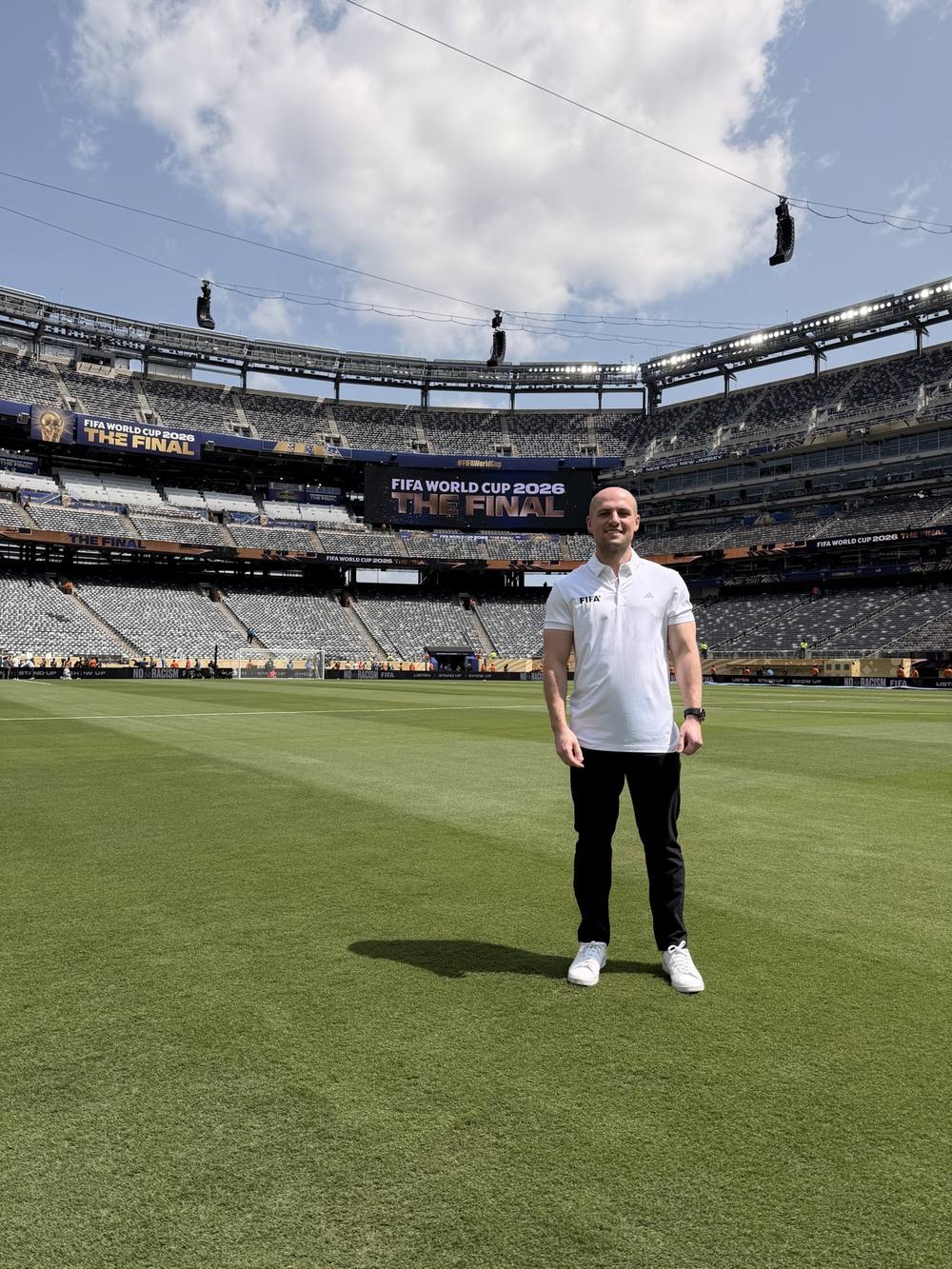
Introduction
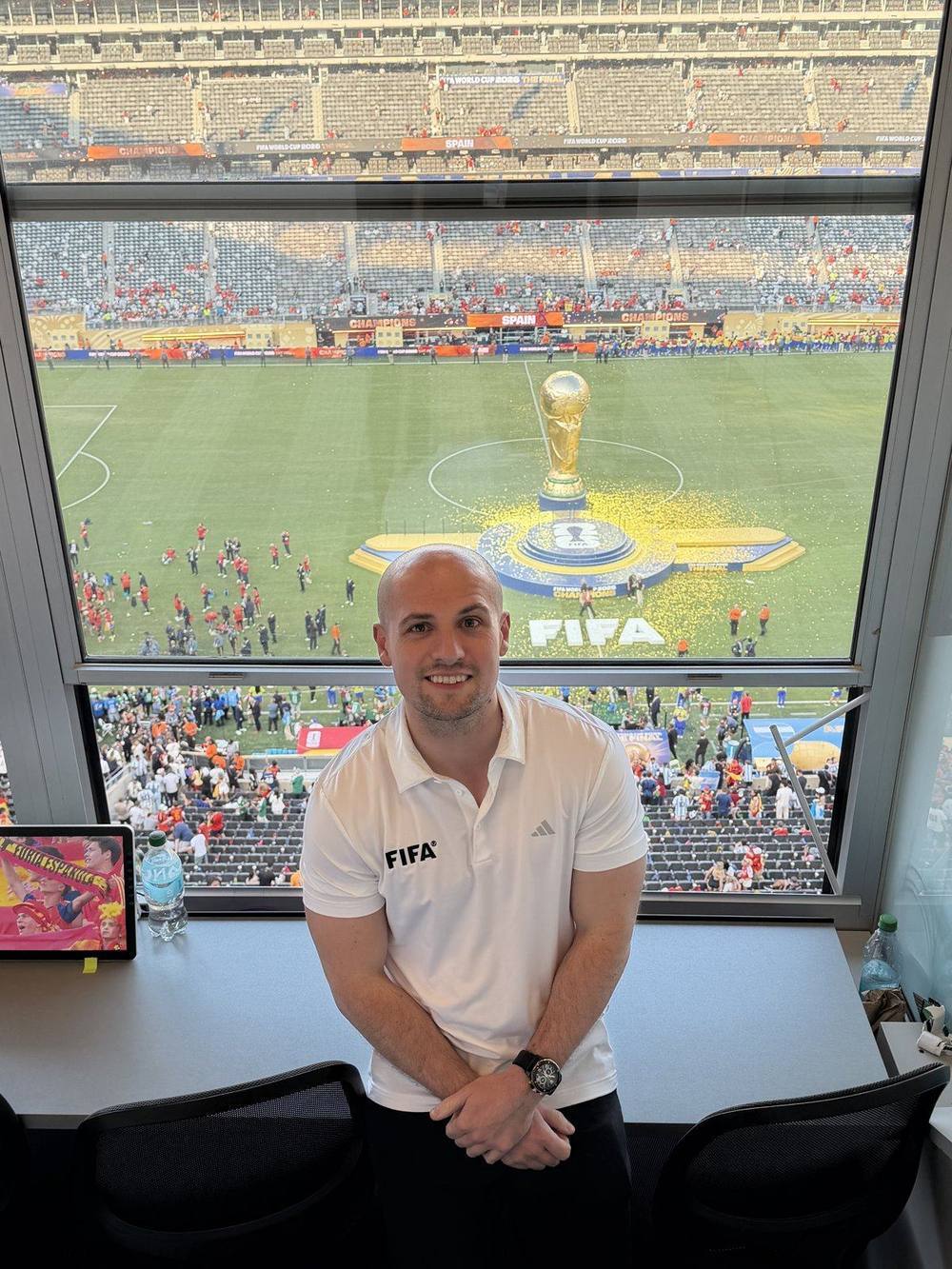
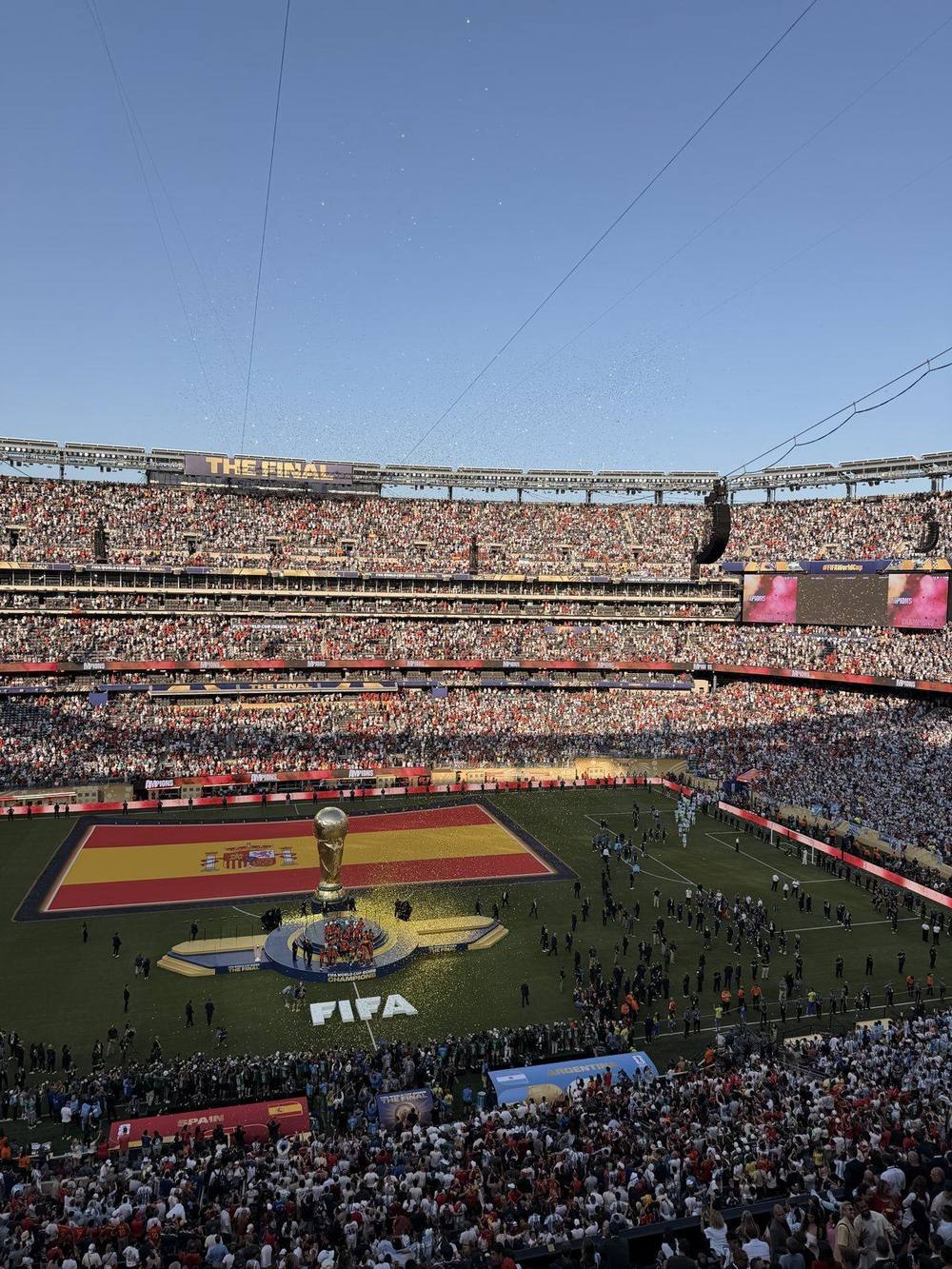
This summer, I worked on the FIFA World Cup 2026. Our team's analysis covered a 104-match tournament across the United States, Canada and Mexico, with different people contributing their expertise to the work.
The published post-tournament report draws on all 104 matches, combining the Technical Study Group's football knowledge with the Football Performance Insights team's video and data analysis. FIFA's report announcement describes that collective work.
01
The question changes with the job
Earlier in my career, at Swansea and in China, much of my work supported a particular team. You might be preparing for the next opponent, reviewing your own performance or helping a player improve a specific part of their game.
Tournament analysis at FIFA has a broader purpose. We are looking at how football is being played across the competition and what those observations can teach us.
The match remains the starting point. You need to understand what a team is doing and how its actions affect the opponent. Then you can investigate whether the same idea appears elsewhere, what changes between teams and which details are specific to one situation.
That requires care with the question. 'How are teams building from the back?' is a large area of work. A more focused question might ask how a team creates a receiver beyond the first line of pressure. That gives you a sequence to examine and a clear reason to compare examples.

02
Different expertise contributes to the explanation
At FIFA, football analysis works alongside data collection and data science. My own background is in understanding football strategies, technical detail, explaining what the evidence shows and offering solutions.
Data can help investigate the scale of an observation. Video can show the movement and decisions around it. Technical discussion helps test whether the proposed explanation makes sense in football terms.
For example, a pass that breaks an opposition line may appear in the data. To explain how the route became available, you need to utilise the video to follow the surrounding actions. Was there movement that drew a defender away? Did the receiver change position? Did the opponent choose to protect a different space?
Those are questions that help provide context.
Which I cannot stress enough, is arguably the most important aspect of football analysis.
03
Keeping the work understandable
Over my time at FIFA, my responsibilities have developed to include leading people as well as producing analysis. One fundamental aspect of analysis will always be true, no matter what role anyone undertakes: your analysis must be understandable and easy to follow. It has to make sense, and the coach must be able to take in what you are telling them, whether that is through data, video or a combination of both.
At tournament scale, clarity matters throughout the process. People discussing the same action need to know what they mean by it, where the example is and what the evidence supports. A label such as 'successful progression' needs a definition before comparisons are useful.
The final report is one way of sharing the work. The reader sees the explanation and supporting material together, then can investigate the topic further through the FIFA Training Centre's World Cup analysis hub.

04
What the work is for
Our work at the World Cup has a clear purpose: to understand how the game is being played at the highest level, and to share that understanding with the global football community. It is not only for the teams at the tournament. The aim is to push analysis forward and make it accessible to everyone, from elite coaches to people just starting out.
That depends on how we work together. Across the analysis team, and with the Technical Study Group and the coaching staff we support, we share what we are seeing, challenge each other's interpretations and divide the work so that every match and every theme gets the detail it needs.
And whoever the work is for, it has to be easy to understand. A coach, a member of the Technical Study Group or someone reading the report at home should all be able to follow what we found and why it matters. That is the standard every piece of analysis has to meet.
The Debrief · The work
Working at a 104-match World Cup
Video, data and football knowledge contribute to the same explanation.
By Harry Lowe · 3 min read
Read the article →Introduction
This summer, I worked on the FIFA World Cup 2026. Our team's analysis covered a 104-match tournament across the United States, Canada and Mexico, with different people contributing their expertise to the work.
The published post-tournament report draws on all 104 matches, combining the Technical Study Group's football knowledge with the Football Performance Insights team's video and data analysis. FIFA's report announcement describes that collective work.
01
The question changes with the job
Earlier in my career, at Swansea and in China, much of my work supported a particular team. You might be preparing for the next opponent, reviewing your own performance or helping a player improve a specific part of their game.
Tournament analysis at FIFA has a broader purpose. We are looking at how football is being played across the competition and what those observations can teach us.
The match remains the starting point. You need to understand what a team is doing and how its actions affect the opponent. Then you can investigate whether the same idea appears elsewhere, what changes between teams and which details are specific to one situation.
That requires care with the question. 'How are teams building from the back?' is a large area of work. A more focused question might ask how a team creates a receiver beyond the first line of pressure. That gives you a sequence to examine and a clear reason to compare examples.
02
Different expertise contributes to the explanation
At FIFA, football analysis works alongside data collection and data science. My own background is in understanding football strategies, technical detail, explaining what the evidence shows and offering solutions.
Data can help investigate the scale of an observation. Video can show the movement and decisions around it. Technical discussion helps test whether the proposed explanation makes sense in football terms.
For example, a pass that breaks an opposition line may appear in the data. To explain how the route became available, you need to utilise the video to follow the surrounding actions. Was there movement that drew a defender away? Did the receiver change position? Did the opponent choose to protect a different space?
Those are questions that help provide context.
Which I cannot stress enough, is arguably the most important aspect of football analysis.
03
Keeping the work understandable
Over my time at FIFA, my responsibilities have developed to include leading people as well as producing analysis. One fundamental aspect of analysis will always be true, no matter what role anyone undertakes: your analysis must be understandable and easy to follow. It has to make sense, and the coach must be able to take in what you are telling them, whether that is through data, video or a combination of both.
At tournament scale, clarity matters throughout the process. People discussing the same action need to know what they mean by it, where the example is and what the evidence supports. A label such as 'successful progression' needs a definition before comparisons are useful.
The final report is one way of sharing the work. The reader sees the explanation and supporting material together, then can investigate the topic further through the FIFA Training Centre's World Cup analysis hub.
04
What the work is for
Our work at the World Cup has a clear purpose: to understand how the game is being played at the highest level, and to share that understanding with the global football community. It is not only for the teams at the tournament. The aim is to push analysis forward and make it accessible to everyone, from elite coaches to people just starting out.
That depends on how we work together. Across the analysis team, and with the Technical Study Group and the coaching staff we support, we share what we are seeing, challenge each other's interpretations and divide the work so that every match and every theme gets the detail it needs.
And whoever the work is for, it has to be easy to understand. A coach, a member of the Technical Study Group or someone reading the report at home should all be able to follow what we found and why it matters. That is the standard every piece of analysis has to meet.